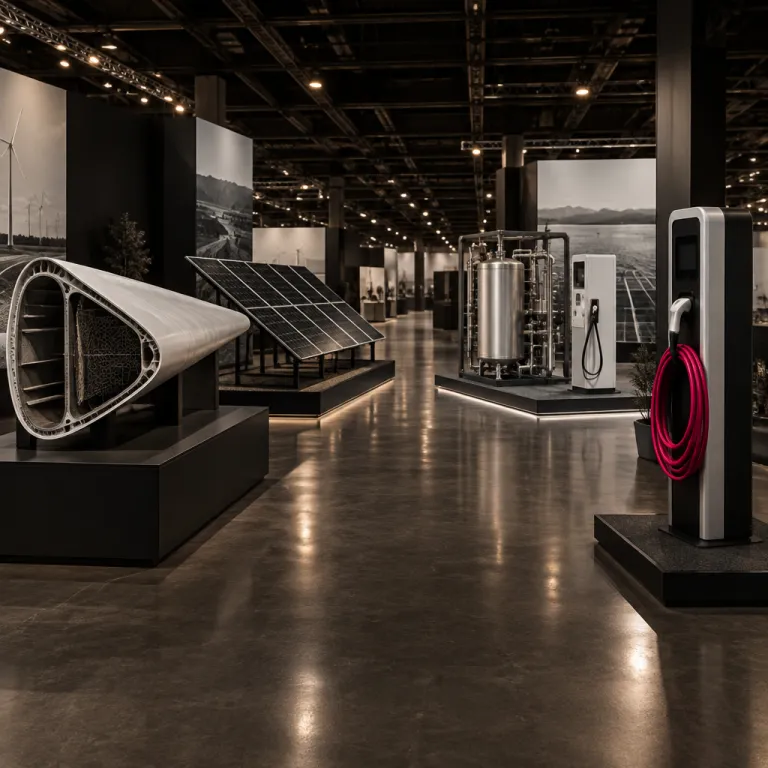
From hydrocarbons to low carbon: how energy exhibitions in the MENA region are being rewritten
Energy exhibitions in the MENA region are no longer simple hydrocarbon showcases; they are becoming deal rooms for energy sustainability and green technology. For commercial leaders planning around the new wave of Middle East sustainability expos in 2026, the trade show calendar now concentrates critical conversations on carbon, hydrogen and energy security into a few intense weeks in Dubai and Abu Dhabi. This shift forces every B2B team to rethink how it allocates budget, qualifies buyers and measures ROI across each event.
WETEX now positions itself as a leading event for water, energy and environmental solutions, while ADIPEC expands from oil and gas into global energy transition, digitalisation and low carbon infrastructure. According to Dubai Electricity and Water Authority, WETEX and Dubai Solar Show 2023 hosted more than 2,600 exhibitors from 62 countries, while ADIPEC 2023 in Abu Dhabi attracted around 184,000 attendees and more than 2,200 exhibiting companies. Together, these exhibitions anchor a wider circuit of MENA conference formats, from the Carbon Capture MENA Summit in Dubai to new international forums focused on green hydrogen and CCUS value chains. For sales leaders, the question is no longer whether to attend, but how to register to attend the right mix of conference, summit and forum without diluting pipeline impact.
Across the MENA region, ministries and national oil companies are using these events to signal policy direction on carbon capture, hydrogen deployment and strategic economic priorities. Government delegations from Saudi Arabia, the wider Middle East and international partners now use the WETEX and ADIPEC platforms to align on mega projects that blend traditional energy exports with new low carbon solutions. A notable example came at ADIPEC 2022, when ADNOC announced plans to triple its carbon capture capacity to 5 million tonnes per year by 2030, reinforcing how exhibition stages are increasingly used to launch net-zero roadmaps, CCUS clusters and hydrogen export corridors. In this context, the leading energy trade fairs and sustainability conferences in the Gulf become the primary lens through which global investors view the region’s sustainable future and its evolving role in global energy markets.
WETEX versus dedicated sustainability summits: where green hydrogen and CCUS deals actually happen
WETEX has grown into a dense marketplace where renewable energy, smart cities and environmental technologies compete for attention across more than three thousand exhibiting companies. For teams focused on energy sustainability and green hydrogen, this exhibition offers unmatched breadth across solar, storage, water and digital solutions, but it also creates noise that can dilute conversations on specialised topics such as CCUS and carbon capture. Sales leaders must therefore view the WETEX agenda through a strict lens of target accounts, qualified buyers and expected pipeline, not just brand visibility.
Dedicated events such as the Carbon Capture MENA Summit and the Energy & Sustainability Summit in Dubai narrow the focus to CCUS, low carbon infrastructure and policy frameworks that underpin mega projects. At these summits, attendees come with a clear intent to learn about capture MENA opportunities, negotiate partnerships on carbon capture hubs and evaluate hydrogen offtake structures, which makes them highly efficient for technical and financial deal making. For a deeper analysis of how such exhibitions shape the future of global energy markets, many regional executives now rely on specialised briefings such as the report on how energy industry expos shape the future of global energy markets.
Seasonally, the spring CCUS and hydrogen forums in the Middle East set the tone for technology roadmaps, while the autumn WETEX exhibition becomes the place to validate solutions at scale with international buyers. This rhythm allows industry leaders to test early concepts at a focused MENA summit, then return to WETEX with refined offers, stronger case studies and clearer pricing for global and regional clients. Used together, these events turn the regional sustainability exhibition calendar into a structured funnel, moving prospects from early policy discussions to concrete commercial agreements.
ADIPEC’s pivot: integrating energy transition into the heart of the Middle East hydrocarbon machine
ADIPEC remains the flagship Middle East energy exhibition for hydrocarbons, yet its agenda now embeds decarbonisation, digital transformation and energy security as core themes. The expansion into twelve conference tracks, including infrastructure modernisation and low carbon technologies, signals that the Middle East is reframing oil and gas as part of a broader global energy system. For commercial directors, this means that the main MENA energy and sustainability events in 2026 will treat legacy assets and new solutions as a single integrated industry rather than separate silos.
Saudi Arabia and the United Arab Emirates are using ADIPEC to showcase mega projects that combine traditional upstream capacity with CCUS clusters, hydrogen export corridors and green hydrogen production zones. Delegations from Saudi Arabia, Abu Dhabi and other MENA region capitals now arrive with clear policy talking points on carbon pricing, energy security and long term economic diversification, turning the exhibition into a live policy forum. To translate this complexity into commercial action, many sales leaders already work from detailed planning guides such as ADIPEC planning roadmaps that break down which conference tracks to prioritise.
Buyer profiles at ADIPEC skew toward national oil companies, international oil companies and large engineering firms that control multi billion dollar capex decisions. These industry leaders are now under pressure to learn how CCUS, carbon capture hubs and hydrogen infrastructure can protect long term export revenues while meeting global climate expectations. For vendors, the opportunity lies in positioning solutions that help these actors view the future of hydrocarbons as compatible with a sustainable future, rather than in opposition to energy transition and decarbonisation goals.
Choosing your mix: segmenting buyers and maximising ROI across MENA energy events
For a B2B sales leader in the Gulf, the central challenge is not whether to attend WETEX, ADIPEC or a MENA conference on sustainability, but how to orchestrate them as a single commercial campaign. Government procurement teams often concentrate at WETEX and specialised summits, while private sector engineering, technology and finance buyers cluster more heavily at ADIPEC and international forums. This split requires a clear view of which accounts drive your revenue targets and how each event contributes to that pipeline.
The overlap problem is real; there are now more green events than there are qualified buyers with budget authority, especially in emerging segments such as green hydrogen and CCUS. To avoid wasted spend, commercial teams should build a unified view agenda that maps every summit, forum and conference session against specific opportunities, decision makers and KPIs. A similar logic already guides financial sector leaders who evaluate regional summits, as analysed in this piece on the strategic value of a Middle East banking innovation summit.
Practically, this means using the broader MENA sustainability and energy exhibition calendar to stage your narrative across the year, not just across individual booths. Early in the season, you register to attend focused MENA summit formats to test messages on carbon capture, hydrogen and low carbon solutions with a small circle of industry leaders. Later, you scale those validated offers at WETEX and ADIPEC, where global and Middle East buyers converge to finalise budgets, align on policy signals and commit to long term partnerships that shape the region’s sustainable future.
FAQ: energy exhibitions and sustainability in the MENA region
How are WETEX and ADIPEC changing for the energy transition ?
Both WETEX and ADIPEC are expanding from traditional energy themes into broader energy sustainability, with new tracks on decarbonisation, digitalisation and low carbon infrastructure. WETEX emphasises renewable energy, smart cities and environmental solutions, while ADIPEC integrates CCUS, hydrogen and energy security into its core programme. Together, they now function as complementary platforms for the region’s sustainable future agenda.
Where should green hydrogen and CCUS companies exhibit in the MENA region ?
Green hydrogen and CCUS companies gain broad visibility at WETEX, which attracts tens of thousands of visitors and thousands of exhibitors across the energy value chain. For deeper technical and commercial discussions, dedicated events such as the Carbon Capture MENA Summit and other specialised MENA conference formats provide more focused audiences. Many firms now combine a presence at these summits with larger booths at WETEX and ADIPEC to cover both niche and global energy buyers.
What is the main difference in buyer profiles between WETEX and ADIPEC ?
WETEX tends to attract a mix of municipal authorities, utilities, technology providers and sustainability focused investors looking for practical solutions in water, energy and environment. ADIPEC, by contrast, concentrates national oil companies, international oil companies and large engineering firms that manage mega projects and long term export strategies. Sales teams should adapt their messaging accordingly, emphasising operational solutions at WETEX and strategic transition pathways at ADIPEC.
How can B2B teams avoid wasted spend across multiple MENA energy events ?
B2B teams should treat the regional energy and sustainability events calendar as a single campaign, assigning clear objectives, target accounts and KPIs to each event. Building a consolidated view agenda that links every summit, forum and conference session to specific opportunities helps prevent duplication and misaligned travel or booth investments. This disciplined approach allows teams to show measurable ROI from every badge scan, meeting and sponsorship.
Why are energy exhibitions in the MENA region important for global energy markets ?
Energy exhibitions in the MENA region matter because they convene the decision makers who control a large share of global energy supply and investment. Policy signals on carbon capture, hydrogen and energy security announced at WETEX, ADIPEC and related summits often shape international expectations about the region’s sustainable future. For global companies, these events provide a direct view of how the Middle East plans to balance hydrocarbons with low carbon solutions over the coming decades.