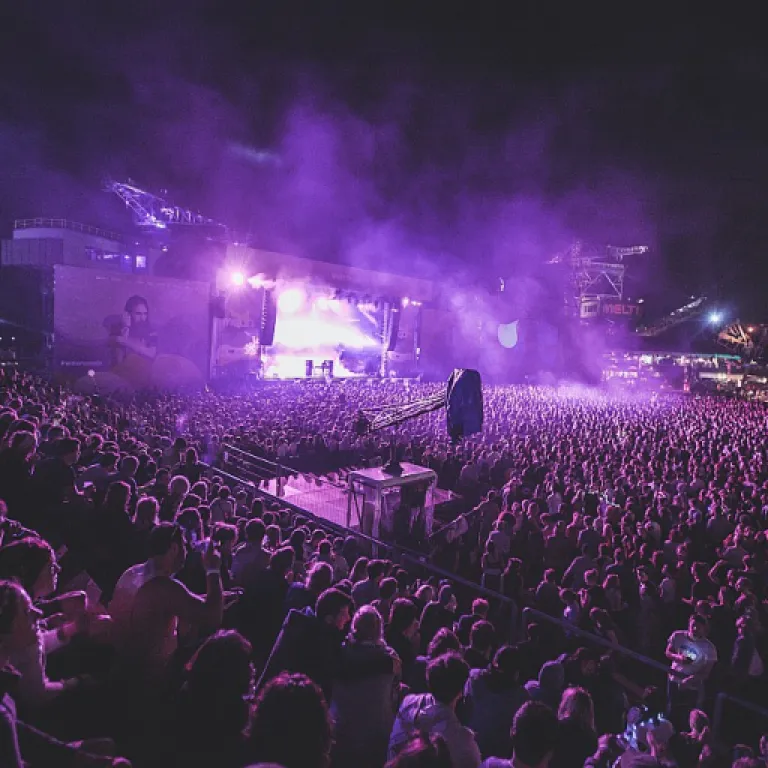
Abu Dhabi sustainability expos as strategic B2B platforms
The sustainability expo in Abu Dhabi has evolved into a strategic B2B arena. For regional and international companies, these sustainability expos in Abu Dhabi now function as deal making hubs where climate priorities meet commercial imperatives. Executives attend each sustainability expo in Abu Dhabi to align energy portfolios, engineering capabilities, and human resources planning with emerging regulatory expectations.
Abu Dhabi Sustainability Week, widely known as ADSW, anchors this ecosystem and attracts a diverse global group of policymakers and investors. Within ADSW, the World Future Energy Summit operates as a flagship conference that links clean energy developers with civil engineering firms, utilities, and technology providers. This concentration of expertise allows the Abu Dhabi sustainability expo environment to translate sustainability pledges into bankable projects across the wider Middle East.
For B2B participants, the adsw summit and related forums are not only about sustainability messaging but also about long term pipeline building. Companies use the sustainability week agenda to schedule bilateral meetings, negotiate partner frameworks, and test new circular economy business models. As Abu Dhabi and the broader dhabi uae ecosystem position themselves as climate action leaders, the sustainability expo in Abu Dhabi has become a reference point for global south stakeholders seeking credible, scalable solutions.
Public sector entities from the UAE leverage these expos to communicate policy signals on climate change, water electricity management, and food waste reduction. In parallel, private groups showcase digital transformation tools that support sustainable development, from emissions tracking platforms to engineering design software. This interplay between public and private actors reinforces Abu Dhabi’s role as a regional summit capital for sustainability and sustainable future planning.
ADNEC Group, venue innovation, and the new event infrastructure playbook
The ADNEC Group has turned venue operations into a live case study for sustainable development in the events industry. At ADNEC Centre Abu Dhabi, the integration of clean energy systems during ADSW demonstrates how infrastructure decisions can support both climate action and commercial resilience. For B2B organizers, this approach shows that a sustainability expo in Abu Dhabi can simultaneously reduce emissions and enhance the visitor experience.
By powering large conferences with renewable energy, ADNEC Group sends a strong signal to engineering firms, utilities, and technology suppliers. The venue effectively becomes a demonstration site where civil engineering solutions, water electricity optimization, and digital transformation tools are tested at scale. This makes each sustainability expo in Abu Dhabi a practical laboratory for long term infrastructure planning across the Middle East and the wider global south.
Venue strategy also extends to waste management, where food waste reduction and circular economy practices are increasingly embedded into event operations. Catering contracts at a sustainability expo in Abu Dhabi now often include clauses on food waste tracking, recycling, and responsible sourcing. These operational details matter for corporate human resources teams, who must report on sustainability metrics and align internal policies with external partner expectations.
Networking formats are evolving as well, with curated business matchmaking sessions and leadership roundtables. Professionals seeking high value connections often combine ADSW meetings with targeted sessions at other Abu Dhabi networking events connecting business leaders and innovators in the UAE. This layered approach allows companies to move from conference insights to concrete partnership discussions within the same dhabi sustainability ecosystem.
Youth, education, and talent pipelines for a sustainable future
One of the most distinctive features of any sustainability expo in Abu Dhabi is the deliberate focus on youth engagement. Dedicated youth programs within ADSW and related events connect young engineers, entrepreneurs, and students with global leaders. This emphasis on youth and education reflects a strategic understanding that sustainable development requires long term talent pipelines, not only short term project finance.
Universities from the UAE and abroad use the sustainability expo in Abu Dhabi as a living classroom. Faculty organize study tours where students observe how energy companies, engineering consultancies, and public agencies present their climate action strategies. These interactions help young participants understand the practical links between civil engineering, water electricity management, and circular economy principles in real world projects.
For corporate human resources departments, the youth focused components of sustainability week function as recruitment platforms. Companies identify young professionals who are comfortable working at the intersection of digital transformation, sustainable design, and international collaboration. This is particularly relevant for firms expanding across the Middle East and the global south, where demand for sustainability skills is accelerating.
Education initiatives at the sustainability expo in Abu Dhabi also address behavioural aspects such as food waste reduction and responsible consumption. Workshops and public sessions translate high level climate change discussions into everyday practices that resonate with families and communities in dhabi uae. Over time, this combination of technical education and public awareness supports a more resilient, sustainable future for Abu Dhabi and its regional partners.
From climate pledges to bankable projects and circular economy models
For B2B decision makers, the central question at any sustainability expo in Abu Dhabi is how to convert climate pledges into executable projects. Panels at ADSW, the Middle East Carbon Tech Expo, and related forums increasingly focus on financing structures, risk allocation, and regulatory frameworks. This shift reflects a maturing market where sustainability and sustainable development are treated as core business drivers rather than peripheral commitments.
Energy companies and engineering groups present case studies on large scale renewables, grid modernization, and water electricity efficiency. Civil engineering firms showcase integrated designs that reduce material use, enable circular economy practices, and minimize long term operating costs. These technical sessions are complemented by discussions on digital transformation, where data platforms and AI tools support emissions tracking and climate action reporting.
Food waste and resource efficiency have become prominent themes, especially in hospitality, retail, and logistics. At a sustainability expo in Abu Dhabi, solution providers demonstrate how sensor networks, analytics, and new packaging technologies can reduce food waste across supply chains. Public sector representatives from the UAE and other Middle East countries evaluate these models for potential replication in schools, hospitals, and municipal services.
Partnerships with the global south are gaining visibility as well, with dedicated blue forum style dialogues on climate finance and technology transfer. These sessions emphasize that a sustainable future requires inclusive access to engineering expertise, education, and capital. For companies operating across dhabi uae and neighbouring markets, the sustainability expo in Abu Dhabi therefore becomes a gateway to international collaboration and diversified growth.
Regional positioning, robotics, and the wider Middle East innovation map
Abu Dhabi’s sustainability expos do not operate in isolation ; they are part of a broader Middle East innovation map. The region now hosts specialized events on robotics, AI, and advanced manufacturing that intersect with sustainability priorities. For example, insights from a robotics expo in Dubai reshaping B2B strategies in the Arab Emirates often feed directly into automation discussions at a sustainability expo in Abu Dhabi.
This cross pollination matters because sustainable development increasingly depends on integrated technology stacks. Energy systems, water electricity networks, and circular economy logistics all rely on sensors, robotics, and digital platforms. When engineering firms and technology providers meet at both robotics and sustainability events, they can co design solutions that address climate change while improving operational efficiency.
Abu Dhabi’s positioning as a summit hub is reinforced by the presence of ADSW, the adsw summit, and multiple international conferences. These gatherings attract a global group of investors, policymakers, and innovators who view dhabi uae as a stable base for regional expansion. For B2B players, the sustainability expo in Abu Dhabi thus becomes a strategic waypoint in multi country market entry plans across the Middle East and the global south.
Regional competition is also driving higher standards in venue management, content curation, and partner engagement. Organizers increasingly emphasize youth participation, public outreach, and education to differentiate their events. As this ecosystem matures, Abu Dhabi’s sustainability week and related expos are likely to remain central reference points for companies seeking credible, long term sustainability partnerships.
Practical playbook for B2B participants at Abu Dhabi sustainability expos
For professionals planning to attend a sustainability expo in Abu Dhabi, preparation is now as important as presence. Companies that achieve the strongest outcomes typically align their internal energy, engineering, and human resources teams before arriving. This allows them to engage meaningfully in conference sessions on climate change, water electricity, and circular economy models.
A structured agenda should combine high level summit plenaries with targeted technical forums and bilateral meetings. Participants can prioritize sessions at ADSW, the adsw summit, and specialized blue forum style dialogues that match their sector focus. During sustainability week, it is also useful to allocate time for youth and education events, which often reveal emerging talent and fresh perspectives on sustainable future strategies.
On the exhibition floor, B2B visitors should map potential partner categories in advance, from civil engineering consultancies to digital transformation vendors. Many exhibitors at a sustainability expo in Abu Dhabi now offer integrated solutions that span design, financing, and operations. Engaging these groups with clear questions about long term performance, data transparency, and international scalability helps filter serious opportunities from marketing noise.
Finally, companies should treat each sustainability expo in Abu Dhabi as part of a continuous engagement cycle rather than a one off event. Post event follow up, joint feasibility studies, and pilot projects across dhabi uae and the wider Middle East are essential to convert conference insights into measurable climate action. As one senior organizer noted, “Largest ever Abu Dhabi Sustainability Week concludes with renewed commitment to advance sustainable progress”.
Key quantitative insights from Abu Dhabi sustainability events
- Abu Dhabi Sustainability Week recently welcomed around 60 000 attendees, highlighting its scale as a global sustainability and B2B platform.
- Approximately 15 heads of state participated in ADSW high level sessions, underscoring strong political engagement with climate action agendas.
- More than 400 ministers and senior officials joined ADSW, reinforcing the event’s role in shaping public policy across the Middle East and the global south.
- The Middle East Carbon Tech Expo in Abu Dhabi attracted about 5 000 delegates and visitors, with a strong focus on carbon reduction technologies.
- Over 100 expert speakers contributed to the Middle East Carbon Tech Expo conference program, providing deep technical and commercial insights.
Frequently asked questions about sustainability expos in Abu Dhabi
How does a sustainability expo in Abu Dhabi benefit B2B companies ?
B2B companies gain direct access to policymakers, investors, and technical partners in a single venue. They can validate sustainable development strategies, identify new markets across the Middle East and the global south, and structure long term collaborations. The mix of conferences, exhibitions, and networking sessions accelerates both learning and deal making.
What sectors are most active at Abu Dhabi sustainability expos ?
Energy, engineering, and infrastructure players are highly visible, alongside water electricity utilities and waste management firms. Digital transformation providers, including data analytics and automation companies, increasingly anchor cross sector solutions. Education institutions, youth organizations, and public agencies also maintain a strong presence.
How important is youth participation at these events ?
Youth participation is treated as a strategic investment rather than a symbolic gesture. Programs connect young professionals with mentors, internships, and innovation challenges linked to real projects. This helps build a skilled workforce capable of delivering a sustainable future for dhabi uae and neighbouring regions.
What role does ADNEC Group play in sustainability leadership ?
ADNEC Group operates key venues such as ADNEC Centre Abu Dhabi, which has integrated clean energy and advanced resource management systems. By applying sustainable practices to large scale events, the group demonstrates practical pathways for climate action in the events industry. Its facilities serve as living laboratories for engineering, circular economy, and digital transformation solutions.
How can companies maximize ROI from attending sustainability week in Abu Dhabi ?
Companies should define clear objectives, pre book meetings, and align internal teams before attending. During sustainability week, they can combine high level summit sessions with focused technical forums and site visits. Post event, disciplined follow up and pilot projects are essential to convert contacts into measurable business and sustainability outcomes.