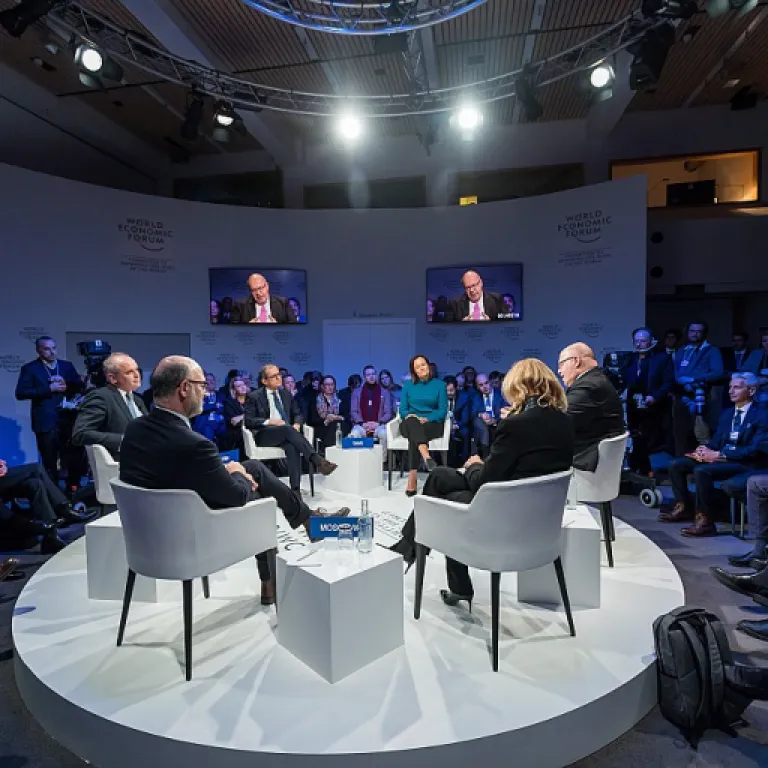
Regional positioning of chemical industry events in the Arab emirates
Chemical industry events in the Arab emirates now sit at the crossroads of regional transformation. For industry professionals, each chemical conference or summit in Abu Dhabi, Dubai, or Sharjah connects local ambitions with global chemicals industry benchmarks. These events align closely with sustainability, digitalization, and supply chain resilience priorities.
While ACHEMA Middle East in Riyadh is technically outside the Emirates, its proximity strongly influences chemical industry events hosted in the Gulf. Emirati organizers increasingly benchmark their own conferences events against this regional anchor, especially on process safety, chemicals management, and specialty chemicals innovation. This regional dynamic encourages chemical manufacturers in the Emirates to align with best practice frameworks used by industry leaders across Europe, North America, and Asia.
For B2B decision makers, the most strategic industry events combine technical training, regulatory updates, and targeted networking with chemicals america suppliers and service providers. Organizers now position each conference march or conference april to complement the global calendar, avoiding clashes with the World Petrochemical Conference in Houston or CHEMUK in Birmingham. This careful timing allows Emirati industry professionals to attend multiple conferences events annually and maintain a continuous view of global chemicals and specialty chemical trends.
In practice, the Emirates use chemical industry events as a soft power tool to attract foreign direct investment and regional headquarters. When industry leaders and socma members fly in for a summit or annual meeting, they encounter world class convention center infrastructure and integrated logistics. That combination reinforces the country’s ambition to become a preferred hub for chemicals industry headquarters, R&D centers, and specialty chemical distribution platforms.
Designing high impact conferences for industry leaders and regulators
Designing effective chemical industry events in the Arab emirates requires a precise balance between technical depth and commercial relevance. Organizers must curate conferences that speak simultaneously to regulators, chemical manufacturers, and downstream users of chemicals. The most respected conferences events in the region now structure their programs around three pillars : regulations, innovation, and market access.
Regulatory sessions focus on chemicals management frameworks, safety data obligations, and harmonization with Europe and global standards. Panels often address how updated regulations affect specialty chemicals, process safety protocols, and the preparation of compliant data sheets for hazardous chemicals. For many industry professionals, these sessions provide practical training that directly improves internal compliance systems and reduces operational risk.
Innovation tracks highlight digital transformation in the chemicals industry, including advanced analytics for supply chain optimization and predictive maintenance in process plants. Speakers from chemicals america, Europe, and Asia share best practice case studies on integrating real time safety data into plant control systems. These sessions are particularly valuable for Emirati operators seeking to align with the performance of leading convention center economies such as Houston or Birmingham.
Commercial tracks then translate technical insights into B2B opportunities, with industry leaders presenting new specialty chemical portfolios and regional distribution strategies. Organizers increasingly promote these sessions as the best platforms to view upcoming tenders, read market signals, and schedule targeted one to one meetings. For professionals planning their calendar, resources on how to maximize a free expo pass for digital marketing success, such as the guidance provided for DigiMarCon Middle East, offer a useful template for extracting maximum ROI from every conference march or conference april.
Integrating training and process safety into Gulf chemical conferences
Training has become a central differentiator for chemical industry events in the Arab emirates, especially where process safety is concerned. Many conferences events now dedicate full tracks to hands on training workshops for engineers, EHS managers, and plant supervisors. These sessions translate high level regulations into operational routines that chemical manufacturers can implement immediately.
Workshops on process safety typically address hazard identification, incident investigation, and the correct use of safety data and data sheets in daily operations. Trainers emphasize how chemicals management failures can disrupt the supply chain, damage brand reputation, and trigger costly shutdowns. For industry professionals, such training is often the best way to align internal procedures with international best practice while still respecting local regulatory nuances.
Specialty chemicals producers in the Emirates also use these training sessions to brief customers on safe handling, storage, and transport of their products. This approach turns a traditional conference into a collaborative platform where chemicals industry stakeholders jointly manage risk. Organizers who integrate structured training into their annual meeting agendas generally report higher satisfaction scores and stronger repeat attendance.
From a B2B planning perspective, executives increasingly consult a visitor planning guide for optimizing business event experiences in the Arab emirates before registering. Such guidance helps them prioritize which training modules, summit sessions, or conference march programs align with their corporate KPIs. When combined with targeted networking and access to international speakers from Europe and chemicals america, this training centric model elevates the overall value proposition of regional industry events.
Global calendars, from march and april peaks to june strategy reviews
The global calendar of chemical industry events heavily shapes how the Arab emirates schedule their own conferences. March and april are peak months, with the World Petrochemical Conference in Houston and several major conference april programs in Europe and Asia. Emirati organizers therefore position local conference march editions either as preparatory briefings or as post event debriefs.
For example, a Dubai based summit held in march might focus on regional implications of global petrochemical trends discussed abroad. Industry leaders returning from Houston or Birmingham can share insights on specialty chemicals, supply chain shifts, and new regulations affecting the chemicals industry. This timing allows local industry professionals who could not travel to still read the key messages and view synthesized analyses.
By june, many companies in the Emirates hold internal strategy reviews that draw heavily on intelligence gathered from earlier conferences events. Chemical manufacturers reassess capital expenditure, specialty chemical portfolios, and process safety investments based on what they learned from global and regional industry events. In this context, a focused june workshop or summit in Abu Dhabi can serve as a strategic checkpoint rather than a broad conference.
Throughout the year, organizers leverage digital platforms to maintain engagement between physical events, sharing training materials, safety data updates, and new data sheets. Articles explaining how a Najah free expo pass empowers professionals and students in the Arab emirates illustrate how free access models can broaden participation in knowledge sharing. When combined with carefully sequenced conference march and conference april programs, this rolling engagement ensures that chemical industry events function as a continuous learning ecosystem rather than isolated gatherings.
Leveraging venues, convention centers, and city brands like savannah
Venue strategy plays a decisive role in the perceived quality of chemical industry events hosted by the Arab emirates. Modern convention center facilities in Dubai and Abu Dhabi compete directly with international venues in cities such as Savannah, Houston, and Birmingham. For global industry professionals, the choice of venue signals the organizer’s commitment to safety, logistics, and attendee comfort.
In the chemicals industry, venue design also intersects with process safety and chemicals management requirements. Organizers must ensure that exhibition halls can safely host live demonstrations of specialty chemicals, process equipment, and digital control systems. Clear procedures for handling chemicals, storing safety data, and distributing data sheets are essential, especially when chemical manufacturers showcase new formulations.
City branding further shapes the narrative around each summit, conference, or annual meeting. While Savannah is often associated with certain chemicals america gatherings, Dubai increasingly positions itself as a neutral global hub connecting Europe, Asia, and Africa. This positioning appeals to industry leaders seeking a central location for regional headquarters, training academies, and recurring industry events.
For B2B planners, evaluating venues goes beyond aesthetics to include access to hotels, airports, and multimodal supply chain infrastructure. A well located convention center allows participants to combine conference sessions with site visits to ports, free zones, or chemical manufacturers. When these logistical advantages are paired with robust technical programs on specialty chemical innovation and regulations, the Emirates strengthen their status as a preferred host for high level chemical industry events.
Building long term value from annual meetings and specialty chemical summits
For many companies, the true value of chemical industry events in the Arab emirates lies in what happens after the closing session. Annual meeting agendas and specialty chemical summits generate a wealth of contacts, safety data insights, and market intelligence. The challenge for industry professionals is to convert this information into concrete projects, partnerships, and improved chemicals management systems.
Leading chemical manufacturers now treat each conference march or conference april as a milestone in a structured engagement plan with customers and regulators. They schedule follow up training sessions, share updated data sheets, and invite key contacts to smaller workshops focused on process safety or supply chain optimization. This approach transforms conferences events into stepping stones within a longer relationship cycle.
Industry leaders also use regional summits to benchmark their performance against peers from Europe, chemicals america, and Asia. By comparing best practice in specialty chemicals, regulations compliance, and digitalization, they can identify gaps in their own operations. Over time, repeated participation in industry events helps build an internal culture of continuous improvement and external credibility.
As one case study on digital transformation in petrochemicals at the World Petrochemical Conference notes, "Discussions on integrating digital technologies in petrochemical manufacturing led to enhanced operational efficiency and innovation in the petrochemical industry." For Emirati stakeholders, aligning local conferences with such global dialogues ensures that regional chemical industry events remain relevant and forward looking. When combined with disciplined post event follow up, annual meeting cycles become powerful engines for sustainable growth in the chemicals industry.
Key quantitative benchmarks for chemical industry events
- CHEMUK in Birmingham hosts around 600 exhibitors, offering a broad cross section of suppliers relevant to Emirati industry professionals.
- The World Petrochemical Conference in Houston typically attracts about 1 200 attendees from roughly 50 countries, underlining its status as a global reference point for petrochemical strategy.
- ACHEMA Middle East in Riyadh serves as a major regional trade fair for the process industry, complementing events organized within the Arab emirates.
- ChemTECH World Expo in Mumbai brings together stakeholders from chemicals, process plant equipment, and biotechnology, providing useful comparative benchmarks for Gulf organizers.
- The AIChE annual meeting offers extensive technical programming for chemical engineers, reinforcing the importance of education focused industry events.
Frequently asked questions about chemical industry events in the Arab emirates
How should companies prioritize which chemical industry events to attend in the Arab emirates ?
Companies should map each event against their strategic objectives, such as regulations compliance, specialty chemical innovation, or supply chain diversification. Priority usually goes to conferences events that offer targeted training, access to regulators, and meetings with key customers or suppliers. Reviewing past agendas, speaker profiles, and exhibitor lists helps determine which industry events align best with current corporate priorities.
What makes Gulf based chemical conferences particularly relevant for international participants ?
Gulf based chemical industry events sit close to major feedstock resources and fast growing downstream markets. International participants gain direct exposure to regional decision makers, project pipelines, and evolving chemicals management frameworks. The combination of world class convention center infrastructure and proximity to industrial sites makes the Arab emirates especially attractive for B2B engagement.
How can industry professionals maximize the ROI of attending a single summit or annual meeting ?
Maximizing ROI starts with clear objectives, pre scheduled meetings, and a focused selection of sessions on process safety, specialty chemicals, or regulations. Participants should collect and organize safety data, data sheets, and contact details during the event, then schedule structured follow ups. Internal debriefs after returning home help translate conference insights into concrete action plans.
What role do training workshops play within chemical industry events in the region ?
Training workshops provide practical, hands on learning that complements high level conference presentations. They allow chemical manufacturers and other stakeholders to test best practice approaches to chemicals management, process safety, and regulatory compliance. For many attendees, these workshops are the most immediately applicable component of conferences events.
How are digital tools changing the way chemical industry events are organized and experienced ?
Digital tools now support hybrid formats, data rich matchmaking, and continuous engagement before and after conferences. Attendees can view session recordings, read curated summaries, and access updated safety data or data sheets through event platforms. For organizers, analytics from these tools inform better program design and more targeted outreach to industry professionals.