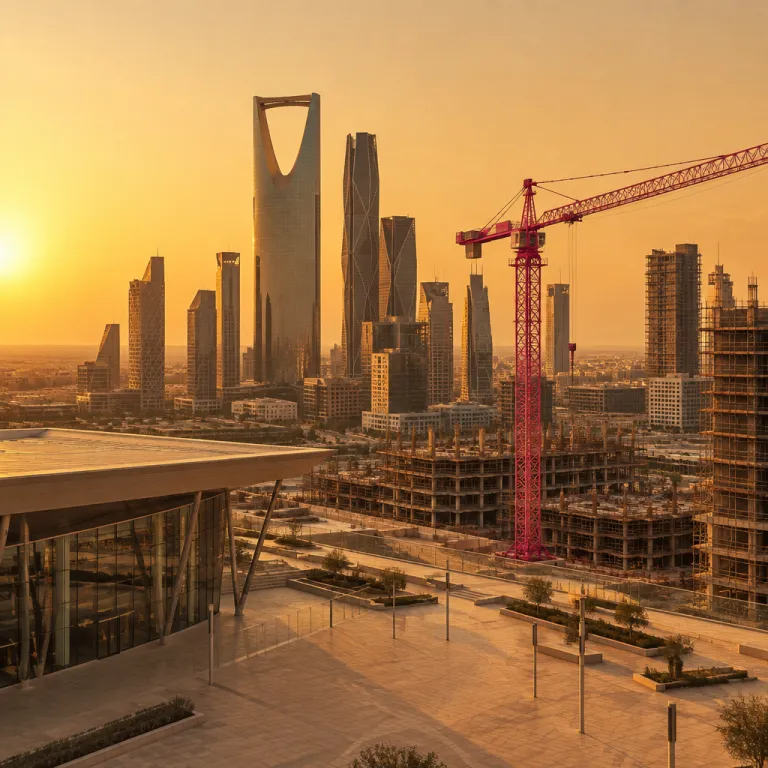
Cityscape Global 2026 Riyadh exhibitor guide for venue shift and strategy reset
The move of Cityscape Global to Riyadh reshapes how real estate B2B teams plan their exhibition strategy. For executives used to the Dubai or Abu Dhabi editions of this global cityscape trade fair, the Riyadh exhibition environment introduces different logistics, decision makers and regulatory expectations. Treat this Cityscape Global 2026 Riyadh exhibitor guide as a strategic reset rather than a simple venue change at a new convention center.
Cityscape has long been a flagship global real estate event for investors developers, brokers and government authorities across the Gulf and wider international markets. With the shift to Riyadh Saudi at the Riyadh International Convention & Exhibition Center, the centre of gravity for regional property investment conversations moves closer to the heart of Saudi Arabia’s Vision driven urban development agenda. That means the exhibition convention floor will host more Saudi Arabia public sector delegations, more global Saudi capital allocators and a denser mix of local development companies than previous editions in the Emirates.
For B2B exhibitors, this Riyadh international move changes the ROI equation for every booth, meeting and boardroom session. Travel times from key European and Asian hubs differ, hotel clusters around the convention centre follow Riyadh traffic patterns rather than Dubai Marina habits, and on site regulations reflect Saudi cultural norms. Senior decision makers from ministries, sovereign funds and large family offices will use the event to assess real estate and urban planning proposals that align with long term national investment priorities.
Compared with earlier editions hosted in the UAE, the Riyadh exhibition center layout and surrounding infrastructure demand earlier planning for freight, stand building and hospitality. The exhibition center sits in a busy commercial corridor, so trucking windows, customs clearance and last mile delivery into the convention exhibition halls must be locked in well before November. Global Riyadh positioning also means more international convention delegations arriving simultaneously, which raises pressure on hotel inventory and airport ground handling during the event week.
From Emirates to Arabia: what the Riyadh shift means for exhibitors
Teams that previously treated Cityscape as a Dubai based networking expo now need to recalibrate around Riyadh Saudi realities. The Saudi Arabia MICE market is expanding quickly, and Cityscape Global in Riyadh will act as a magnet for global cityscape stakeholders who want direct access to Saudi property decision makers. That creates fresh opportunities but also tighter competition for attention on the trade fair floor.
In Dubai or Abu Dhabi, many exhibitors relied on existing free zone entities, familiar freight corridors and long standing stand contractors. In Riyadh, exhibitors must align with Saudi specific regulations on temporary imports, local sponsorship where relevant and on site labour rules at the convention centre. The Riyadh International Convention & Exhibition Center has its own approved vendor lists, health and safety standards and technical guidelines that differ from previous exhibition convention venues in the Emirates.
For C level leaders, the strategic question is whether the shift to Riyadh Arabia increases the probability of high value meetings with investors developers and government buyers. The answer is yes for most real estate and urban development players, because Riyadh is where many of the largest Saudi investment decisions are now made. However, that upside only materialises if logistics, shipping and on site regulations are handled flawlessly so your équipe can focus on boardroom conversations rather than firefighting freight delays.
Another implication of the Riyadh move is the stronger presence of Saudi public sector urban planning authorities and giga project entities. These stakeholders will use the event to benchmark international best practice in sustainable real estate, smart city infrastructure and mixed use property development. Exhibiting companies that align their messaging with Saudi Arabia’s long term urban future narrative will stand out more than those that simply recycle generic global trade show collateral.
Saudi specific logistics: visas, hotels, freight and on site regulations
Business visa planning for Riyadh Saudi must start early, especially for large international exhibiting teams and technical staff. Many nationalities can access streamlined e visa processes for Saudi Arabia, but support crews from certain markets may require additional documentation and longer lead times. Align your HR, travel and legal équipes so that every passport, invitation letter and hotel booking is confirmed at least ten weeks before the November event window.
Hotel availability around the Riyadh International Convention & Exhibition Center is improving, yet demand during a major global real estate expo will still outstrip supply. Senior decision makers and VIP investors developers will prioritise properties along King Abdullah Road and other key business corridors, which can push rates higher and extend commute times. To protect ROI, block rooms early, use data on previous Riyadh exhibition patterns and negotiate flexible cancellation terms that match your pipeline of confirmed meetings.
Freight and customs are where many first time exhibitors in Saudi Arabia lose both budget and sleep. Temporary import of stand materials, digital screens and property model mock ups requires accurate documentation, clear harmonised codes and a customs broker who understands exhibition center procedures. Build a logistics timeline that back calculates from the first build up day at the convention center, with buffers for port congestion, inland trucking and any extra inspections linked to international convention security protocols.
On site regulations at the Riyadh exhibition venue cover stand height, rigging, fire safety, electrical loads and working at height, and they are enforced rigorously. Your stand builder must be pre approved by the exhibition convention organiser, and all designs should be cleared before fabrication to avoid costly last minute changes. Safety briefings, personal protective equipment and adherence to working hour rules are non negotiable, so integrate these constraints into your Cityscape Global 2026 Riyadh exhibitor guide playbook from the outset.
Transport, last mile and daily operations during the event
Daily transport for your équipe between hotels and the convention centre needs more structure in Riyadh than in compact Gulf hubs. Traffic along King Abdullah Road and other arterial routes can be heavy during peak business hours, which affects staff punctuality and client meeting reliability. Arrange dedicated shuttles or pre booked cars rather than relying on ad hoc ride hailing during the busiest days of the trade fair.
Inside the exhibition center, understand the rules for hand carry items, storage and overnight access to the halls. Some Riyadh exhibition regulations limit late night work or restrict access during prayer times, which can compress your build schedules if not anticipated. Coordinate closely with the organiser’s operations équipe so that your exhibiting staff know exactly when they can adjust property models, refresh digital content or host private investor briefings.
For catering and hospitality, Saudi Arabia norms require careful planning around halal compliance and local cultural expectations. Many global cityscape exhibitors now design hospitality zones that respect privacy, offer non alcoholic premium beverages and provide quiet corners for serious investment discussions. Aligning with these expectations signals respect to Saudi and international decision makers, which strengthens trust and shortens sales cycles.
Because this is a seasonal peak for the Riyadh MICE calendar, secure any external venues for side events or boardroom dinners well before November. High demand restaurants and hotel meeting suites near the convention exhibition site will be booked by global Riyadh delegations months in advance. Linking your logistics plan with a structured post show debrief, using a framework such as the exhibitor debrief template that turns every trade show into a competitive advantage, helps you capture données on what worked and where logistics friction eroded ROI.
Real estate investment focus: who attends and what they want from exhibitors
Cityscape Global in Riyadh is not a generic expo ; it is a concentrated marketplace for real estate capital, development expertise and urban planning policy. The attendee mix typically spans institutional investors, sovereign wealth funds, family offices, developers, architects, engineering firms and government regulators. For B2B exhibitors, understanding this blend of decision makers is essential to tailoring both stand design and meeting agendas.
Investors developers from Saudi Arabia and abroad will use the event to evaluate property pipelines, co investment structures and long term asset management strategies. Many will focus on Riyadh Saudi projects, but interest will also extend to other Saudi Arabia regions where urban development is accelerating. Exhibitors who can articulate clear ROI, risk management and ESG narratives for their real estate portfolios will command more time from these high value visitors.
Government delegations and urban planning authorities will attend to benchmark international best practice in mixed use districts, transit oriented development and sustainable infrastructure. They will look for global cityscape partners who can help translate national strategies into bankable projects that attract international capital. Exhibiting companies that bring concrete case studies, quantified résultats and clear implementation roadmaps will stand out from those offering only conceptual masterplans.
Brokers and advisory firms treat the trade fair as a live marketplace for mandates, valuations and cross border transaction pipelines. They will scan the exhibition center for new property products, off plan launches and secondary market opportunities that can be packaged for their client bases. For C level leaders, aligning your exhibiting objectives with these distinct audience segments ensures that every badge scan and boardroom meeting contributes to measurable pipeline, not just brand visibility.
Why Saudi property and urban development are pulling global capital
The Saudi property market is attracting global investment because it sits at the intersection of demographic growth, infrastructure spending and policy reform. Riyadh Arabia is positioning itself as a regional headquarters hub, which drives demand for Grade A office space, hospitality assets and high quality residential communities. Cityscape Global in Riyadh becomes the stage where these macro trends translate into specific projects, joint ventures and land deals.
Urban development programmes across Saudi Arabia, including major initiatives along King Abdullah corridors and other strategic zones, require international expertise in design, engineering and project finance. Global Saudi partnerships are emerging where foreign developers bring technical know how while local entities contribute land, regulatory navigation and market access. Exhibitors who can show a track record of delivering complex international convention centre districts, mixed use precincts or transit linked property schemes will resonate strongly with Saudi decision makers.
For international investors, the event offers a rare concentration of stakeholders who can accelerate approvals, align incentives and unblock structural barriers to entry. Meeting these actors in one Riyadh exhibition center over a few days is more efficient than months of separate trips and calls. To maximise this efficiency, study planning frameworks used for other major Middle East events, such as the guidance in the ADIPEC November success planning roadmap, and adapt the same discipline to your Cityscape Global 2026 Riyadh exhibitor guide.
Because this is a seasonal focal point in the global real estate calendar, competition for investor attention will be intense. Your stand narrative, private meeting scripts and follow up workflows must be engineered to convert interest into qualified leads and, ultimately, signed term sheets. That requires tight coordination between marketing, sales and product équipes, supported by clear KPIs on meetings held, proposals issued and investment volumes generated from the event.
Ten week planning timeline: from strategy to on site execution
By ten weeks before November, every serious exhibitor at Cityscape Global in Riyadh should have locked in stand location, core messaging and target account lists. This is the moment to finalise contracts with the exhibition center, confirm your stand builder and align internal stakeholders on budget, KPIs and expected ROI. Treat this period as the critical path for logistics, shipping and on site regulation compliance.
Between ten and six weeks out, focus on freight bookings, visa applications and hotel confirmations for your full exhibiting équipe. Work with logistics partners who understand Riyadh exhibition procedures and can navigate Saudi Arabia customs for temporary imports linked to a global trade fair. Parallel to this, your marketing team should launch appointment setting campaigns targeting priority investors developers, government entities and strategic partners.
From six weeks to two weeks before the event, shift emphasis to training, content and scenario planning. Sales and leadership teams must rehearse boardroom pitches that speak directly to Saudi real estate priorities, urban planning frameworks and global Riyadh investment narratives. Use this window to refine property model presentations, digital demos and any data rooms that investors will access during or immediately after the event.
In the final fortnight, operational discipline becomes paramount, and every detail of your Cityscape Global 2026 Riyadh exhibitor guide should be stress tested. Confirm build up and breakdown schedules with the convention center, recheck all on site regulations and ensure your équipe understands cultural protocols for meetings in Saudi Arabia. For first time exhibitors at major Middle East expos, resources such as the first timer’s complete roadmap to exhibiting at GITEX offer useful parallels on how to structure staffing, lead capture and post show follow up.
On site playbook and post event ROI measurement
During the event days, run your stand like a high performance sales operation, not a passive showroom. Assign clear roles for greeting, qualification, demos and senior escalation so that every visitor journey is intentional and data driven. Use digital lead capture tools that tag each interaction by investor type, project interest and estimated deal value, enabling precise post event analysis.
Boardroom meetings with top tier decision makers should be scheduled in advance, with agendas that respect time constraints and cultural expectations. For Saudi and international sovereign or institutional investors, bring only the most relevant executives and technical experts into the room. Every slide, model and data point must support a coherent investment thesis that aligns with Saudi Arabia’s long term urban future.
After the event, measure ROI not just by deals closed but by pipeline velocity, relationship depth and strategic intelligence gained. Compare performance against previous Cityscape editions in the Emirates to understand how the Riyadh shift affected your cost per qualified lead and average deal size. Use structured debriefs to capture lessons on logistics, shipping, on site regulations and audience engagement, then feed these données into your planning for the next global cityscape cycle.
Over time, B2B teams that treat Cityscape Global in Riyadh as a recurring strategic platform rather than a one off expo will build compounding advantages. They will refine their understanding of the Riyadh Saudi ecosystem, deepen ties with key decision makers and optimise logistics to reduce wasted spend. That is how real estate exhibitors turn a seasonal trade fair into a durable competitive edge across Saudi Arabia and the wider global Riyadh investment landscape.
FAQ
How early should exhibitors start logistics planning for Cityscape Global in Riyadh ?
Exhibitors should start logistics planning at least ten to twelve weeks before the November dates for Cityscape Global in Riyadh. This window allows enough time to secure stand space, book freight with buffers for customs and align with exhibition center regulations. Late planning in Saudi Arabia often leads to higher costs, limited hotel options and increased risk of shipment delays.
What are the main differences between exhibiting in Riyadh and in Dubai or Abu Dhabi ?
Riyadh places exhibitors closer to Saudi Arabia’s core decision makers, including ministries, sovereign funds and major developers, which can increase deal potential. However, logistics, visa processes, cultural norms and on site regulations differ from the Emirates, requiring more structured preparation. Traffic patterns, hotel clusters and approved vendor ecosystems around the Riyadh International Convention & Exhibition Center also operate differently from UAE venues.
Which attendee profiles should real estate B2B teams prioritise at Cityscape Global in Riyadh ?
Real estate B2B teams should prioritise institutional investors, sovereign wealth funds, family offices, major developers and relevant government authorities. These groups control or influence large scale property and urban development budgets in Saudi Arabia and the wider region. Brokers, advisory firms and technology providers are also important, but they typically act as enablers rather than primary capital sources.
How can exhibitors measure ROI from Cityscape Global beyond immediate deals ?
Exhibitors can measure ROI by tracking qualified leads, proposal volumes, pipeline value and conversion rates over the months following the event. They should also assess relationship depth with key decision makers, quality of market intelligence gathered and brand positioning gains in the Saudi market. Using a structured debrief process with clear KPIs helps turn these données into actionable insights for future editions.
What logistics risks are most likely to impact first time exhibitors in Riyadh ?
First time exhibitors in Riyadh are most exposed to risks around customs clearance, last mile delivery to the exhibition center and late hotel or flight bookings. Misunderstanding on site regulations for stand construction, working hours or safety can also cause delays and extra costs. Partnering with experienced local logistics providers and studying the organiser’s technical manual in detail significantly reduces these risks.