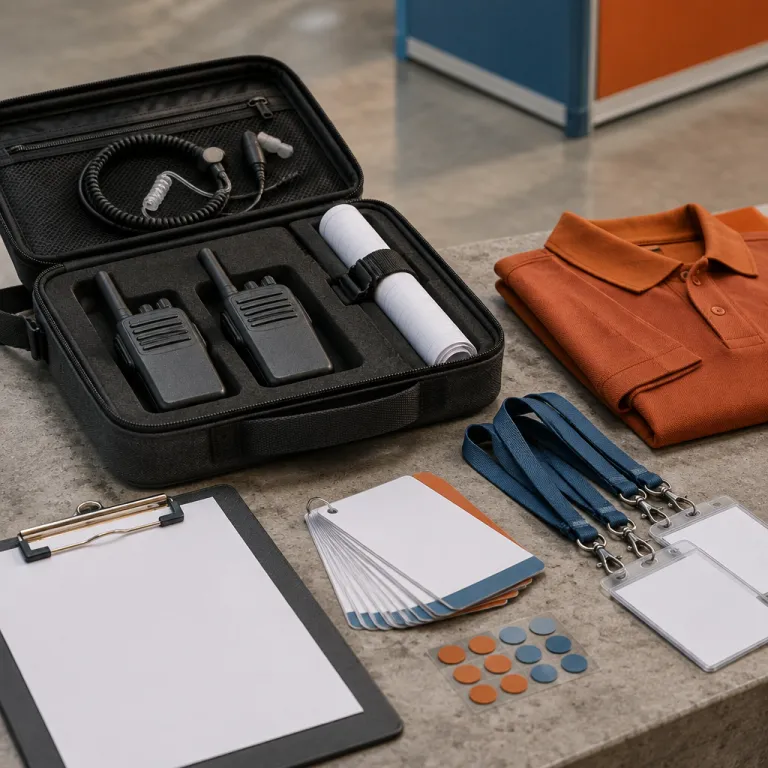
The staffing gap in Gulf trade shows: design shines, people underperform
Across the Arab Emirates, B2B exhibitors routinely invest more than 20 000 USD in a single trade show stand while allocating only a fraction of that budget to staff training. This imbalance creates a structural weakness in any trade show stand team training strategy, because the most sophisticated booth display cannot compensate for unprepared booth staff facing senior decision makers. When your brand commits to a major trade show in Dubai World Trade Centre or Abu Dhabi National Exhibition Centre, the real differentiator on the show floor is the quality of your show staff, not the height of your exhibit walls.
Data from international case studies shows that 85 % of exhibitors who invest in structured staff training report better ROI, yet many Gulf companies still treat show training as a last minute briefing. In practice, this means that team members arrive at the show booth without clear role definitions, weak qualification criteria, and no shared training guide for handling complex B2B sales conversations. The result is predictable ; your sales team misses high value leads, your lead conversion rate drops, and your expensive booth becomes a passive display instead of an active training booth for revenue generation.
In the Emirates, where visitors often include regional CEOs, government buyers, and sovereign wealth fund representatives, untrained staffers can damage brand perception in minutes. When show staff improvise messaging, they create inconsistent promises that your back office cannot deliver, which erodes trust and inflates the cost of every future contact with those attendees. A serious trade show stand team training strategy treats each interaction with visitors as a structured program step, where booth staffers follow clear best practices for greeting people, qualifying leads, and routing hot opportunities to the right sales team closer.
Role design on the stand: building a high performance field équipe
A high impact trade show stand team training strategy in the Arab Emirates starts with precise role design for every person on the booth. Instead of sending a generic group of staff to the exhibit, you define a lean équipe with four core roles ; greeter, qualifier, specialist, and closer, each supported by tailored staff training programs. This structure ensures that show staffers do not compete for the same visitors but move people smoothly through a clear engagement funnel on the show floor.
The greeter’s job is to use confident body language and simple role play scripts to welcome attendees, filter basic interest, and direct them to the right training booth zone or show booth demo. Qualifiers then take over, using a shared training guide with explicit BANT style questions and local nuances about budgets, decision cycles, and regulatory constraints in the Emirates to identify serious trade opportunities. Specialists and closers from your sales team handle deep technical questions, pricing, and next steps, ensuring that hot leads are converted into scheduled meetings, not just scanned badges and forgotten leads.
For sustainability focused brands, this role design must also align with your environmental commitments, especially when you operate zero waste exhibition stands in the UAE that follow strict material and logistics standards described in your internal compliance playbooks. When booth training includes both commercial messaging and sustainability talking points, booth staff can explain why your display materials, digital content, and give aways respect local regulations and corporate ESG KPIs. This integrated approach turns every contact with visitors into a coherent brand narrative where people experience both operational excellence and responsible exhibit management.
Pre show briefing frameworks: aligning data, messaging and qualification
Briefing your booth staff one week before a major trade show in the Arab Emirates is not a luxury ; it is the minimum viable step in any serious trade show stand team training strategy. During this pre show session, commercial leaders should present target account lists, segmented by country and sector, and share clear qualification criteria that all team members will apply on the show floor. This is also the moment to align on competitor positioning, objection handling, and the specific training programs that will govern how show staff capture and process leads.
A robust briefing covers three operational pillars ; traffic handling, lead capture, and follow up ownership, all supported by simple role playing exercises. Traffic handling defines how greeters and other booth staffers manage flows of visitors during peak hours, ensuring that high value attendees never wait unattended while staff chat with low potential contacts. Lead capture standards specify which data fields must be completed in the CRM for every contact, how to tag hot, warm, and cold leads, and how to document key insights that will improve lead conversion after the event.
Follow up ownership clarifies which sales team member owns each category of leads, how quickly they must reach out, and how they will report results to management using agreed KPIs and case studies. To help your équipe compare vendors and partners without getting sold to during the event, you can rely on structured internal frameworks similar to a practical guide on how to compare vendors at a trade show without losing negotiation leverage. When this pre show training booth session is run with discipline and supported by concise show training materials, your brand arrives on site with a synchronized team that knows exactly how to turn visitors into pipeline.
Real time coaching and energy management from day one to day three
Once the trade show opens in Dubai or Abu Dhabi, your trade show stand team training strategy shifts from planning to live coaching on the show floor. Sales leaders should run short stand up meetings every morning and evening to review lead quality, visitor feedback, and any friction points that booth staff experienced with specific attendee segments. These micro debriefs allow you to adjust messaging, refine qualification questions, and reassign team members to different roles based on real data, not assumptions.
Energy management is just as critical as messaging, especially in Gulf venues where long days, heavy foot traffic, and late evening networking events drain concentration. Smart shift planning staggers breaks so that your best show staff are present when senior decision makers and government delegations typically visit, which in the Emirates often means late mornings and late afternoons. Rotating people between greeting, demo, and meeting roles also prevents fatigue, while targeted role play refreshers during quiet periods keep body language sharp and conversations focused on outcomes, not product features.
Real time coaching should include quick review of anonymized case studies from the same day, highlighting one interaction where staff training worked perfectly and another where a hot lead was lost due to weak questioning or slow response. Managers can then use simple role playing to rehearse better responses, turning the booth into a live training booth between waves of visitors. When you combine this on site coaching with a structured pre show playbook for lead generation at trade shows, such as an internal pre show playbook that books a high share of meetings before day one, your brand maximizes both scheduled and walk in opportunities.
From badge scans to revenue: standardizing lead capture and follow up
Every badge scan on the show floor in the Arab Emirates represents a potential opportunity, but without disciplined processes, most of those leads will never convert into revenue. A mature trade show stand team training strategy defines exactly how booth staffers record each contact, which qualification notes they must add, and how they prioritize follow up for the sales team. This is where consistent staff training and clear best practices transform chaotic show data into a structured pipeline that your CRM and revenue operations équipes can actually use.
Effective exhibitors treat their booth as both a display and a data capture engine, where every interaction with visitors feeds standardized fields that support later segmentation and lead conversion analysis. Training programs should teach show staff how to ask permission for follow up, how to agree on next steps during the conversation, and how to tag each contact with the right buying stage and product interest. When staffers understand that their role is not just to be friendly people on the stand but to generate qualifiés leads with complete données, they take the process seriously and respect the training guide.
Post event, commercial leaders should run a structured debrief using real case studies from the show, comparing performance across different days, shifts, and role assignments to refine future booth training. As one expert summary puts it, "Briefing staff a week in advance ensures better preparation. Clear role assignments prevent confusion during the event. Active engagement techniques increase visitor interaction. Consistent lead capture methods streamline follow-up processes. Regular team debriefs enhance continuous improvement." When your brand applies these principles consistently across all trade shows in the Emirates, your trade show stand team training strategy becomes a repeatable revenue engine rather than a one off experiment.
FAQ
How far in advance should we brief our booth staff for Gulf trade shows ?
For major B2B events in the Arab Emirates, you should brief booth staff at least one week before the trade show and then run a shorter refresher the day before stand build up. This timing gives team members space to absorb the training guide, practice role play scenarios, and align with sales team objectives. It also allows managers to adjust staffing if gaps in skills or language coverage appear during the initial staff training session.
What roles are essential for an effective stand équipe in the Emirates ?
A high performing équipe on the show floor usually includes a greeter, a qualifier, a product or solution specialist, and a closer from the sales team. In larger exhibits, you can add a meeting coordinator to manage scheduled appointments and a data steward to oversee lead capture quality. Each role should have tailored booth training so that show staffers know exactly how they contribute to lead conversion and brand perception.
How can we measure the ROI of our trade show stand team training strategy ?
To measure ROI, track metrics such as number of qualified leads per staffer, conversion from contact to opportunity, and revenue generated per event compared with total trade show investment. Compare these KPIs across events where you used structured training programs versus ad hoc briefings to quantify the impact of staff training. Over time, you should see higher lead quality, faster sales cycles, and better retention of strategic accounts sourced from the show booth.
What does effective real time coaching look like during a busy exhibition day ?
Effective real time coaching combines short stand up huddles, quick review of live case studies, and targeted role playing between visitor waves. Managers observe conversations on the show floor, note patterns in objections or questions, and then use the training booth area to rehearse improved responses with team members. This continuous feedback loop keeps body language, messaging, and qualification discipline sharp from the first visitor to the last.
How should we adapt staff training for culturally diverse attendees in the Arab Emirates ?
Staff training for Gulf trade shows should include cultural awareness modules covering greeting norms, decision making hierarchies, and expectations around hospitality for visitors from different MENA and Asian markets. Role play exercises must simulate interactions with government buyers, family business owners, and multinational executives, so show staff feel confident adjusting tone and depth of detail. When your équipe respects these nuances, your brand builds trust faster and increases the likelihood that high value attendees will agree to post show contact and follow up meetings.